01
 LE LABODE L’IA
CHARACTERS · TOOLS · EXPERIMENTS
He believes the evidence. Not her explanation.
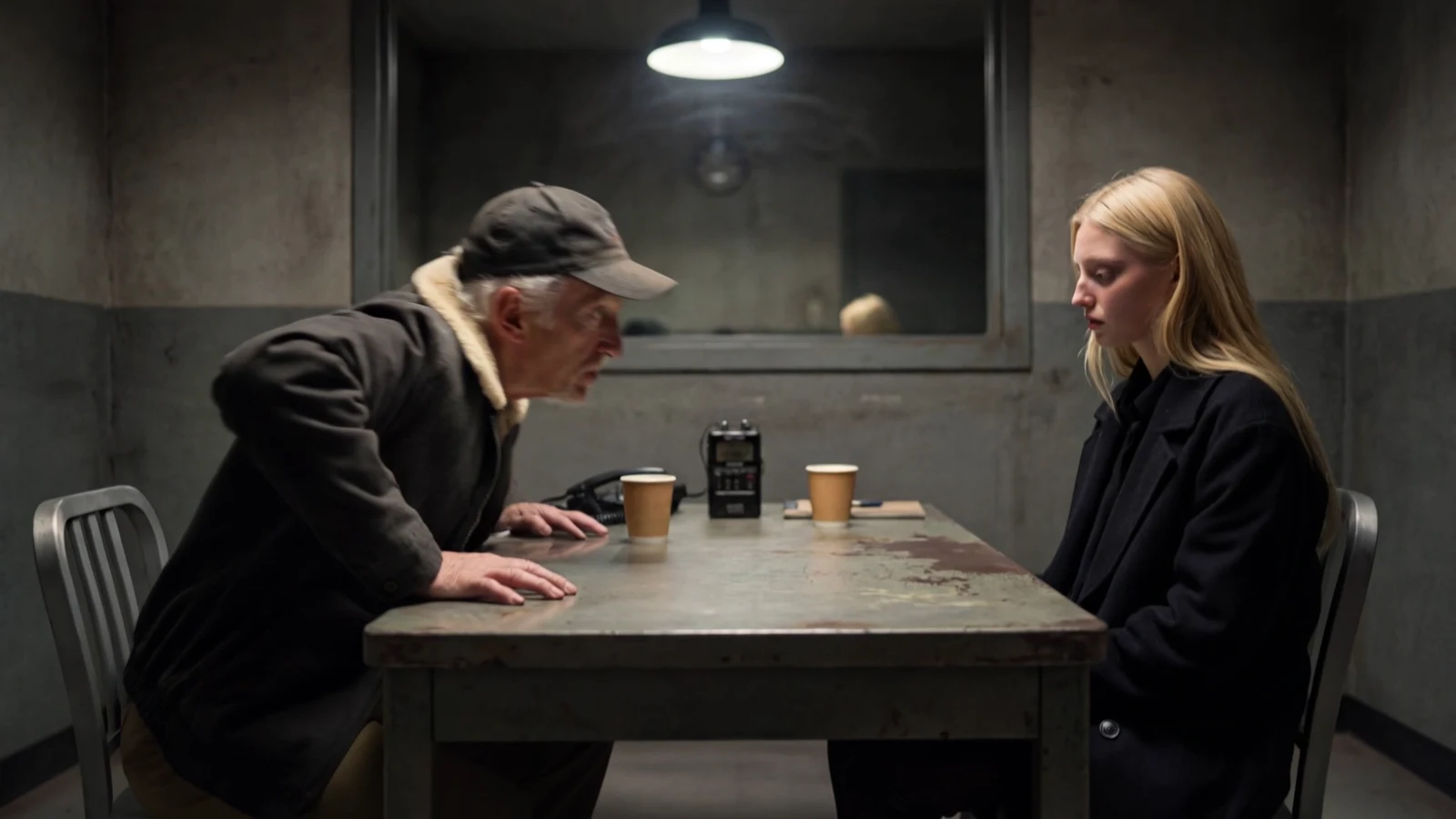
The Man Who Doesn’t Believe. A veteran detective, Jonas Mercer questions Léna Marlowe about the people following her. He has photographs, recordings and witnesses. She describes an abductor with green gloves who is anything but human. Between them lies a file that refuses to make sense.
AI CREATION · ART DIRECTION: LE LABO
 AI-CREATED CHARACTER
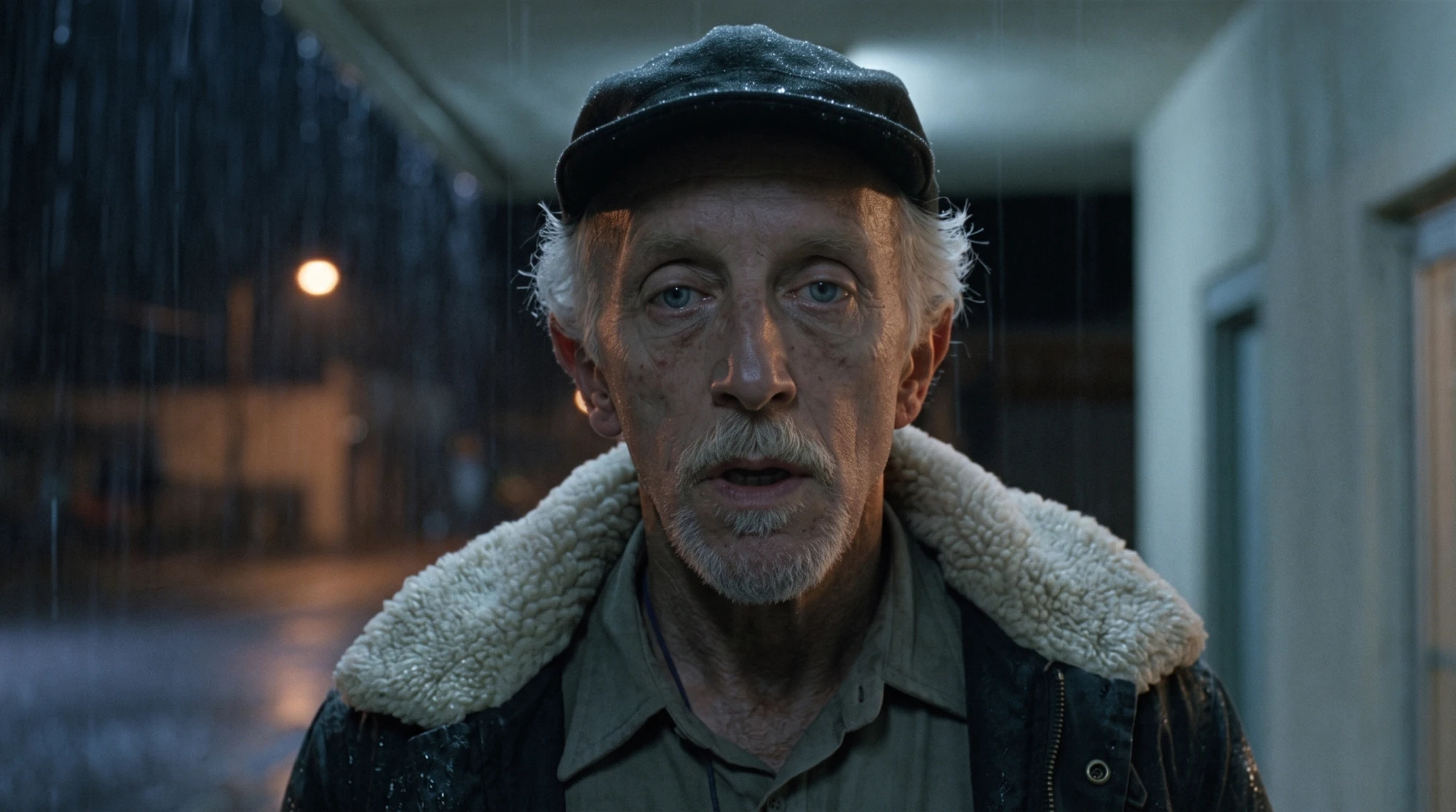
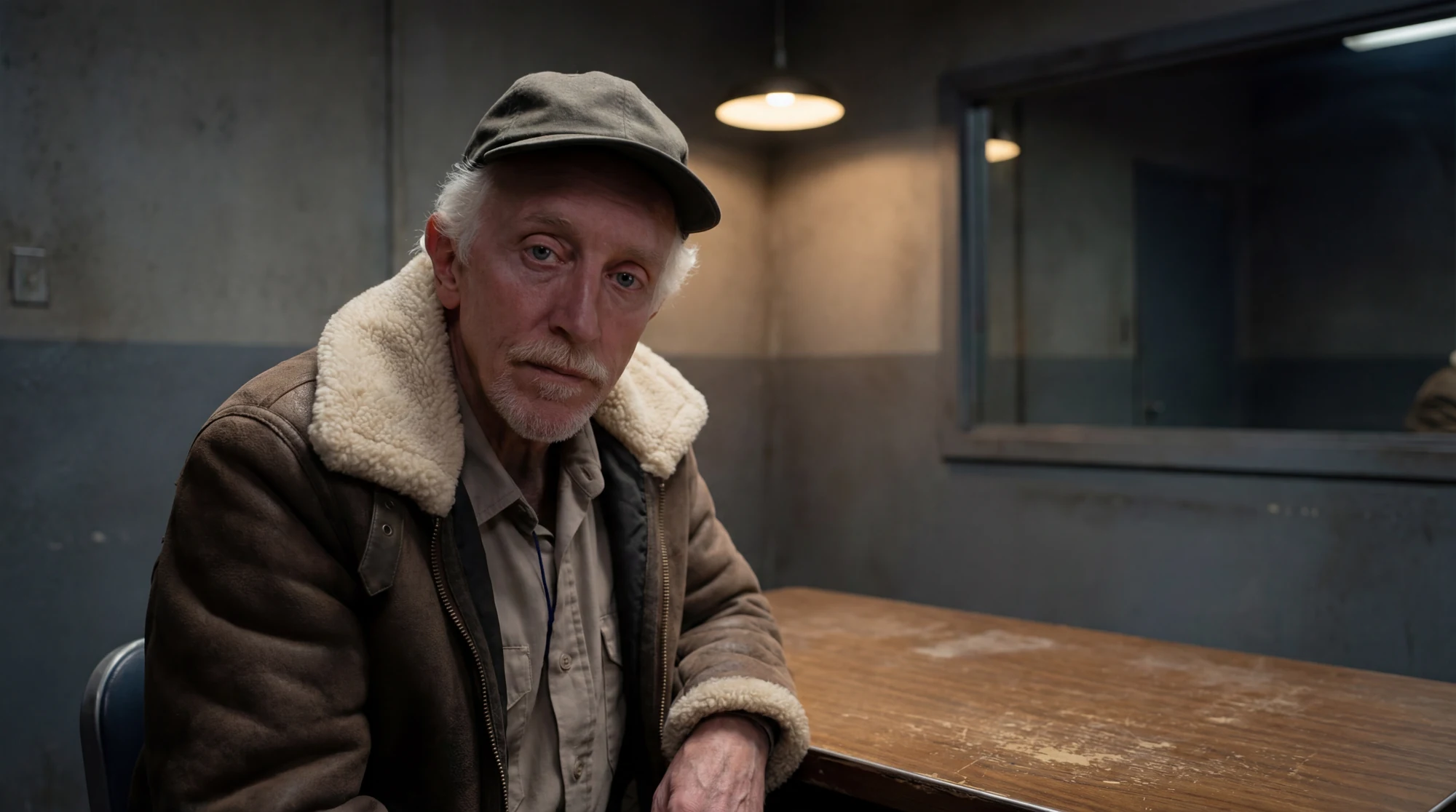
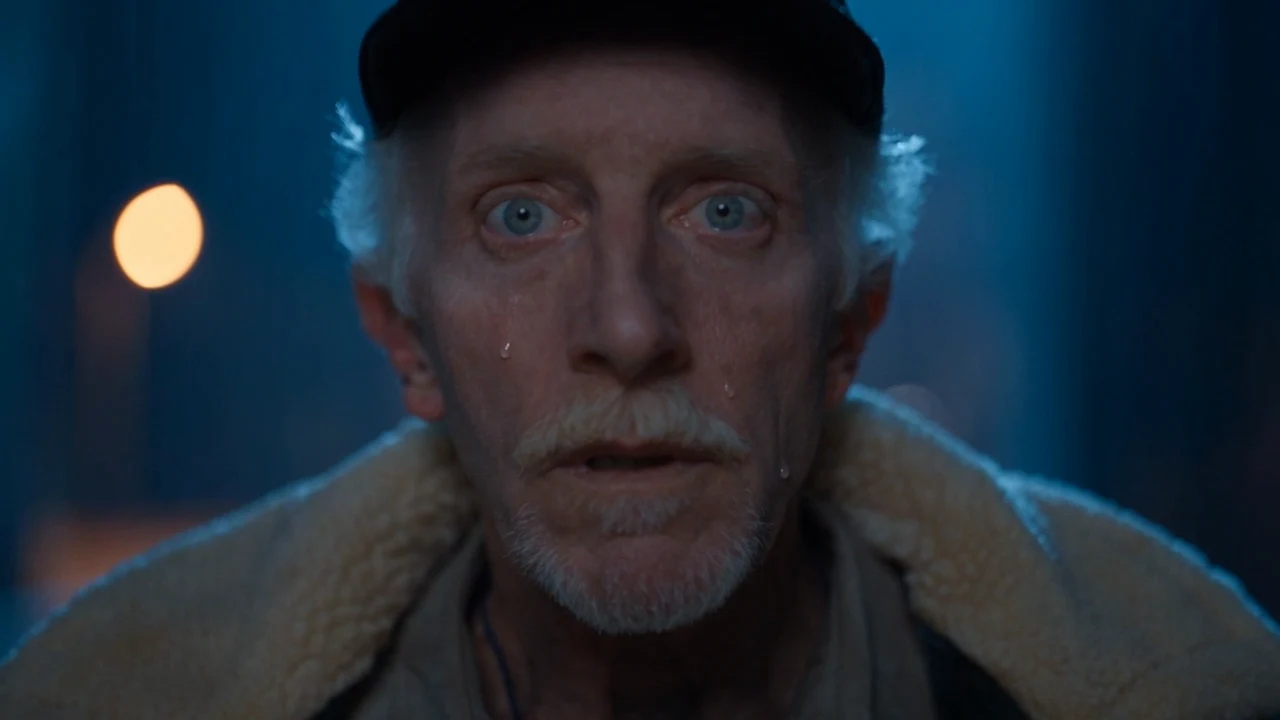
Jonas Mercer is sixty-two. Thirty-six years in the police have taught him to notice what others overlook: a recently replaced screw, the wrong word in a statement, a silence that starts a second too soon. His dark cap and shearling collar belong to a man who still goes out in the rain. He distrusts conclusions reached without visiting the scene.
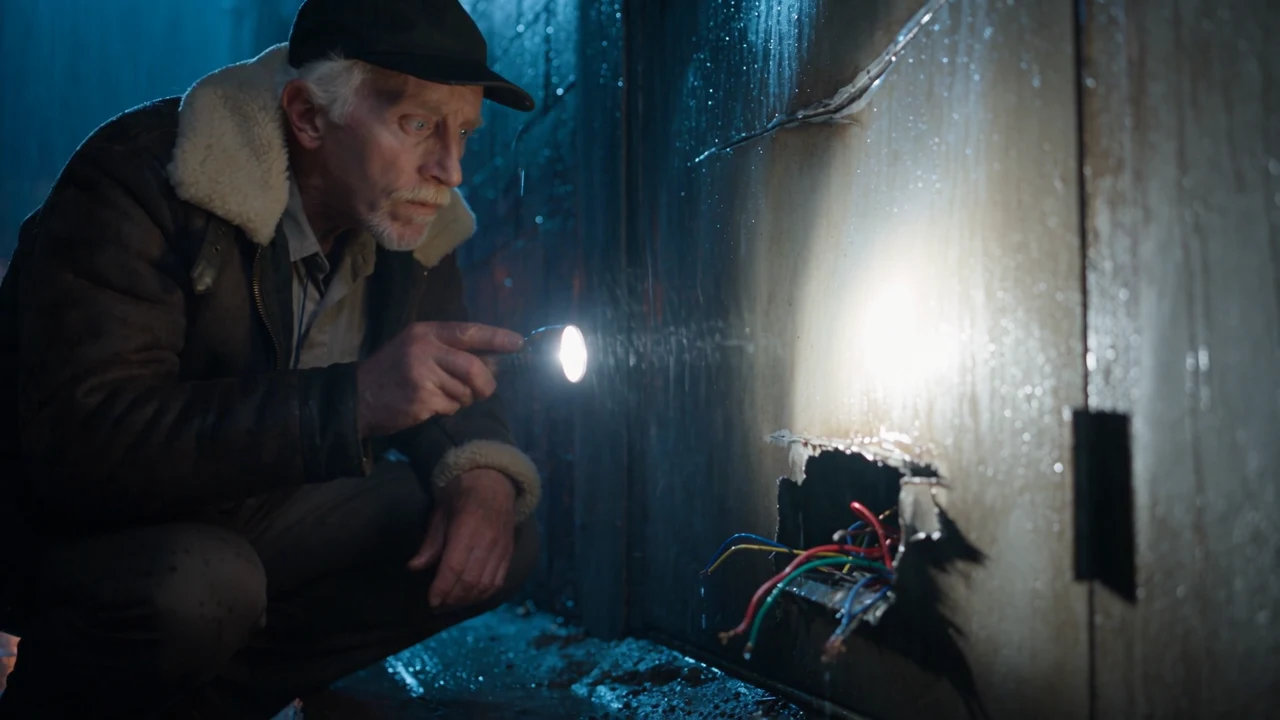
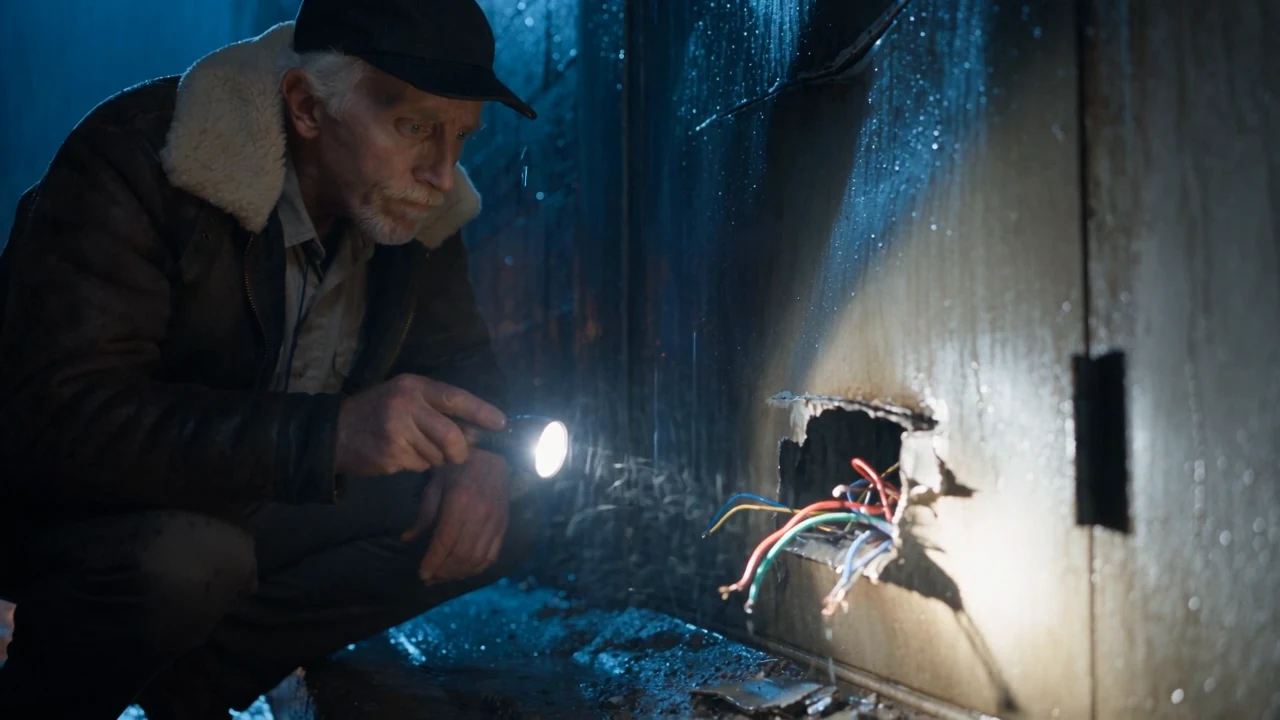
Before joining the police, he repaired electrical installations with his father. He learned to follow a fault back to its source. That habit survived the uniform. Doors, wiring, maintenance records: he studies the infrastructure of a place before accepting the story told about it.
Early in his career, the disappearance of a dock worker changed his relationship with testimony. Mercer supported an accusation built on a convincing account. A maintenance log later established that the suspect could not have taken the route described. The man was cleared. The missing worker was never found. Mercer had helped turn an explanation into a certainty; he has never forgiven himself for the time it cost.
He became a senior investigator in a small unit handling unresolved disappearances. Patient, exacting and difficult to impress, he records interviews and keeps handwritten notes. He can defend a frightened witness against his own colleagues, then hurt that same witness by demanding a precision that fear cannot provide. His integrity is real. So is his rigidity.
Léna’s case reaches the fault line. Mercer accepts that she is being followed: he has material to support it. He rejects her account of abduction by a nonhuman technician. To him, someone is exploiting her fear, hiding behind an impossible story. He intends to identify them. The more carefully he investigates, the less easily the evidence fits the explanation he brought with him.
A persistent character is recognisable beyond a single image. The face moves through settings and roles: each facet extends the same identity.
Explore the facets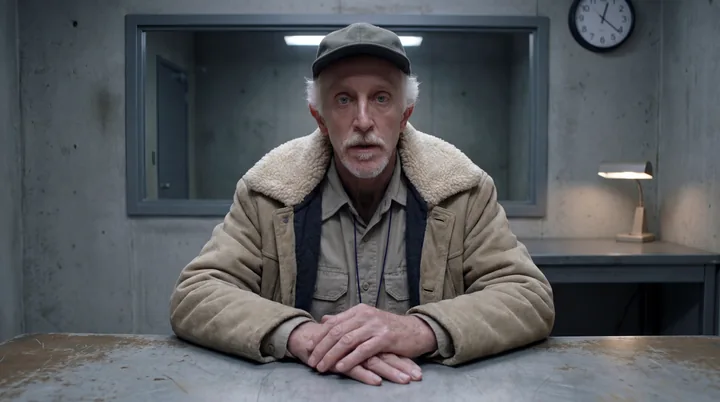 01Read the room
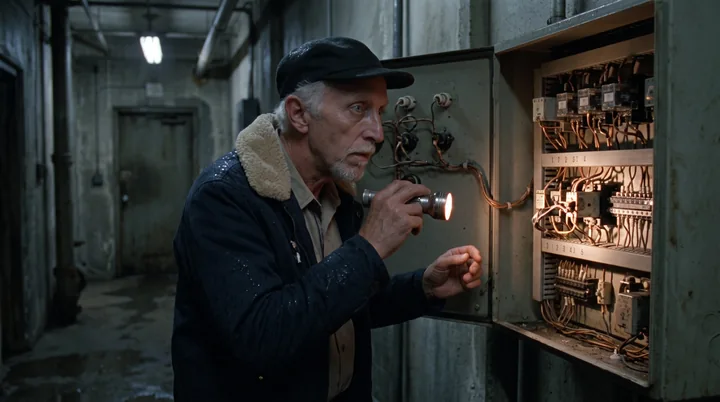 02Follow the fault
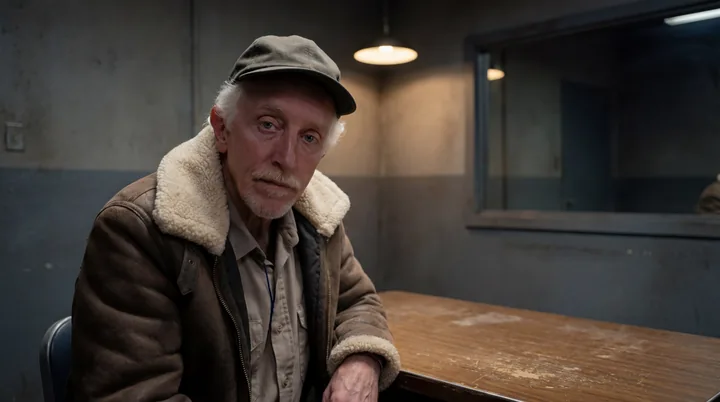 03Question Léna
Mercer looks at the room before he looks at the witness. Where is the door? Who can hear through the glass? Which objects have moved? He allows a silence to last, asks for a detail again and compares the answer with his notes.
His authority comes from attention rather than display. When he leans across the interrogation table, however, that attention becomes pressure. He sometimes discovers too late that someone has stopped speaking because of him.
A damaged cable deserves more time than a spectacular theory. Mercer’s early training taught him to inspect connections, identify repairs and distinguish wear from interference. On a night visit, a torch and a notebook are enough to keep him working long after everyone else has left.
That competence grounds the investigation in the physical world. It also exposes him to his own limit: finding a fault does not necessarily explain who caused it, or what passed through.
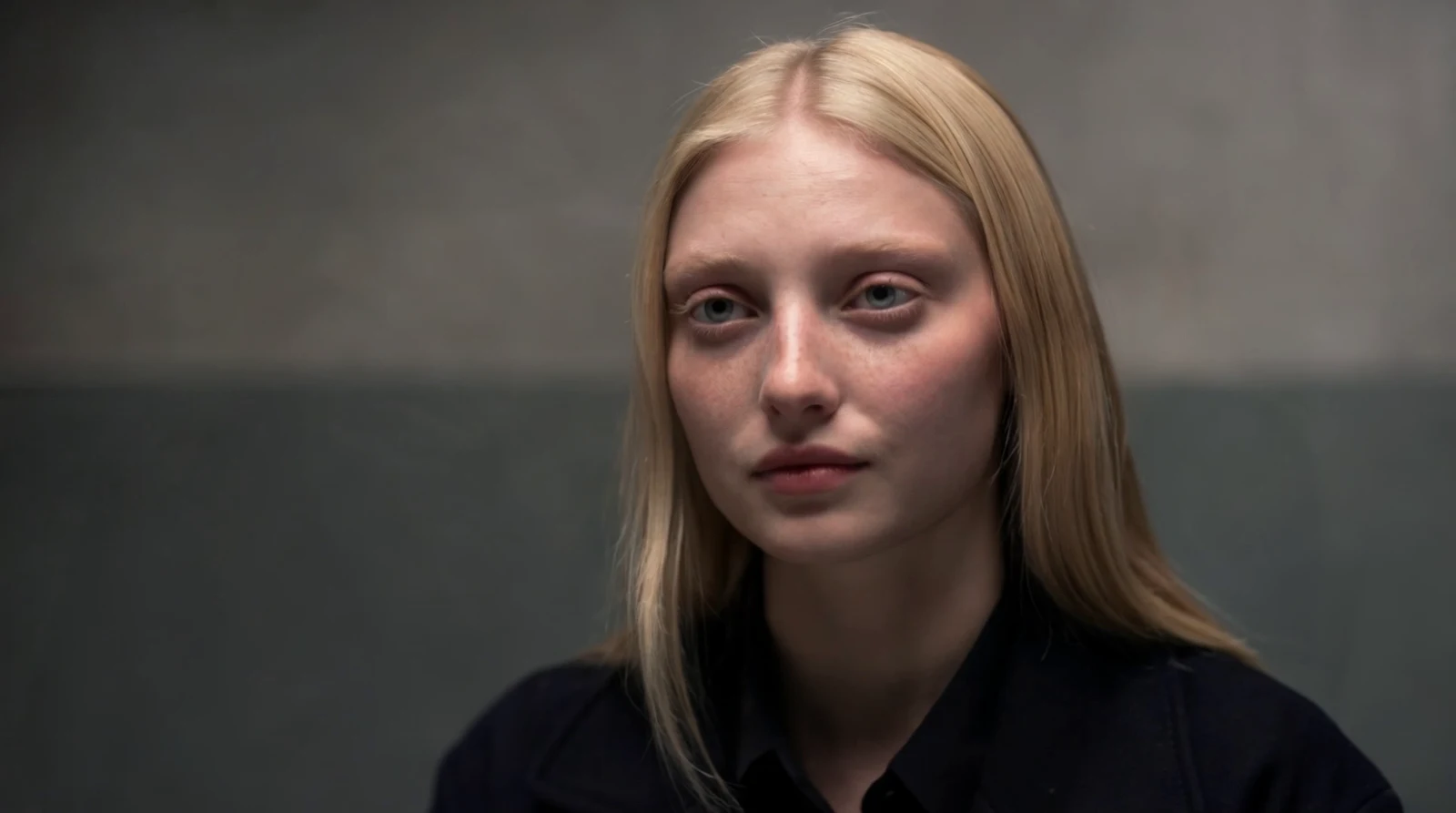
He has photographs, records, witness statements and surveillance footage. He asks who these people are, and why they want to take her. Léna rejects the premise: what follows her cannot be understood as an ordinary group of people. Giving him an answer may itself put her in danger.
Mercer hears a witness withholding information. Léna faces a man whose questions leave no room for what she experienced. The scene’s tension comes from that mismatch: both want the threat to stop, but they cannot yet agree on what it is.
Since the docks case, Mercer separates what a witness said from what he inferred. He dates corrections, keeps earlier versions and refuses to make a report sound more certain than the interview. His recorder is there to contradict him if necessary.
Yet procedure has become a refuge. He can delay a decision while demanding one more confirmation. The man determined never to accuse too quickly may also be the last to recognise that someone needs protection now.
Dry humour, short sentences, a dislike of being thanked. Mercer shows concern through practical gestures: a chair moved away from a draught, a fresh cup, a witness accompanied to the exit. He remembers people’s habits better than he remembers their birthdays.
Divorced and father to an adult daughter, Iris, he has become very good at promising to call after the next interview. His work gives him a reason to stay. It also spares him the conversations in which he would have to stop asking questions and answer for himself.
Mercer’s possible turning point is modest and costly: preserving evidence that weakens his own explanation. He does not need to embrace the extraordinary overnight. He needs to stop treating the familiar as the only admissible answer.
His role in the world of SILHOUETTE_000 is to bring the human investigation to the edge of its tools. Will he dismiss what does not fit, or keep the file open long enough to put his own certainty at risk? The answer remains unwritten.
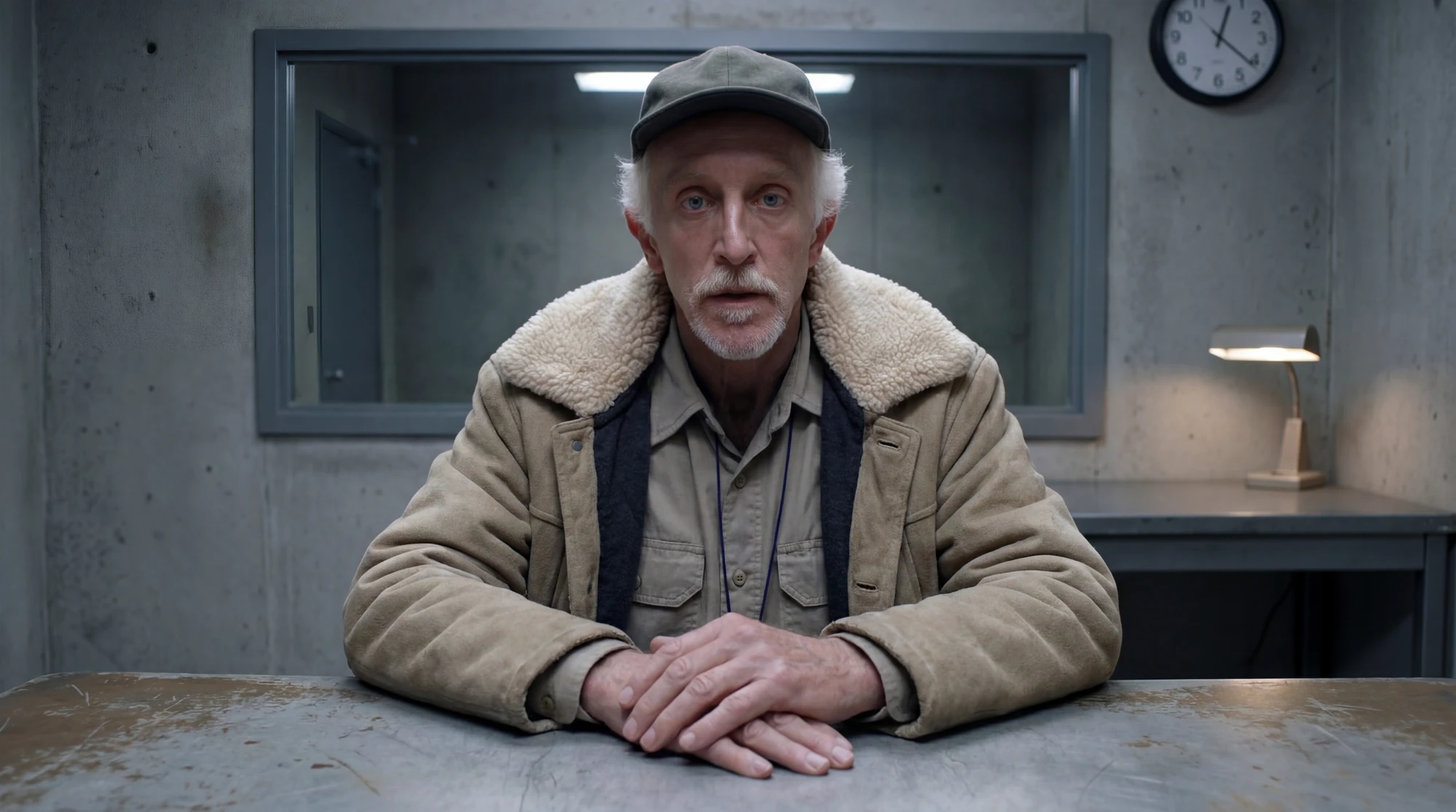
“I’m not asking you to convince me.
I’m asking what I can verify.”
The settings change. The anchors remain. Open an image to explore it in detail.
01 / Jonas Mercer · a face in the rain02 / Before the questions · the investigator at his desk03 / Across the table · reading the witness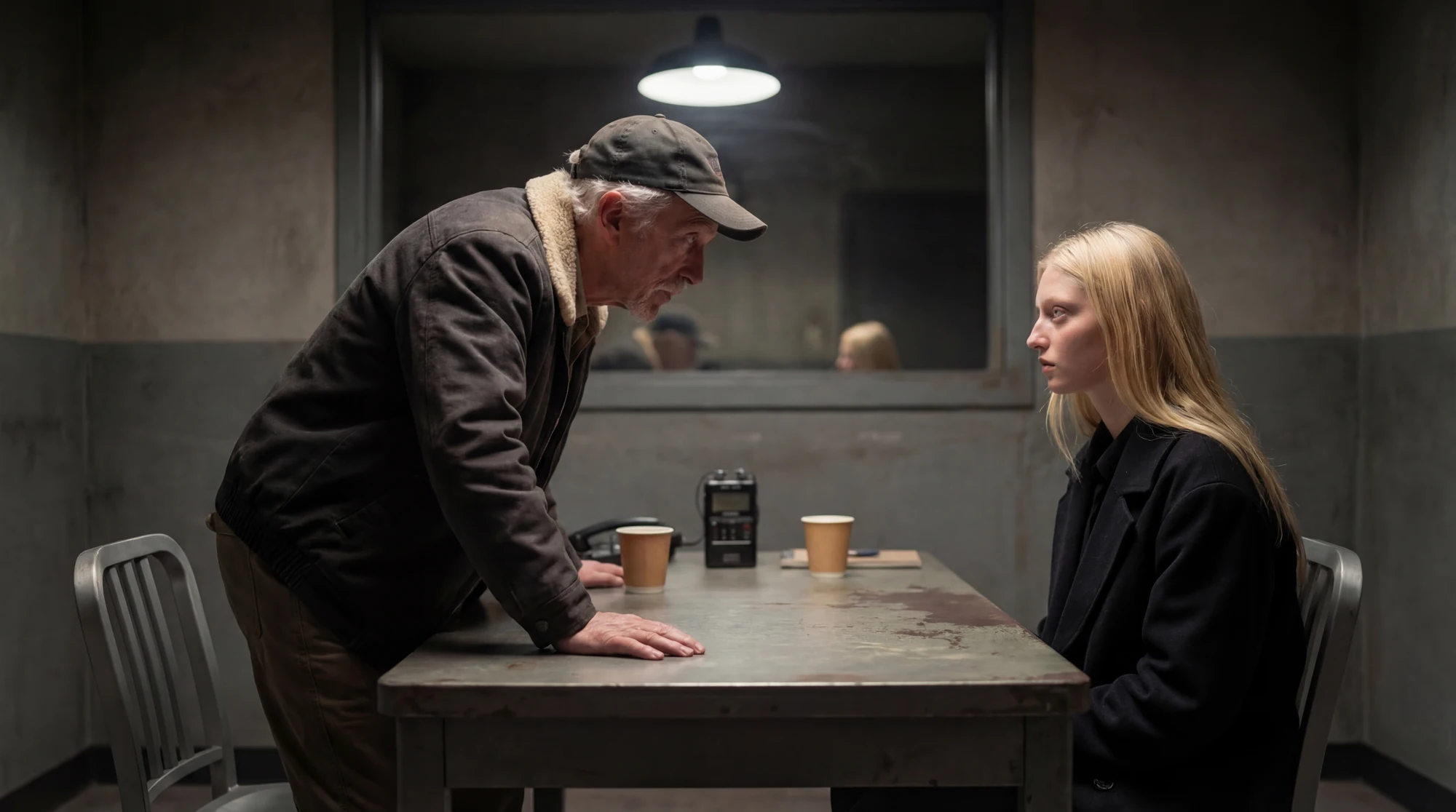 04 / Léna and Mercer · the pressure of the interview
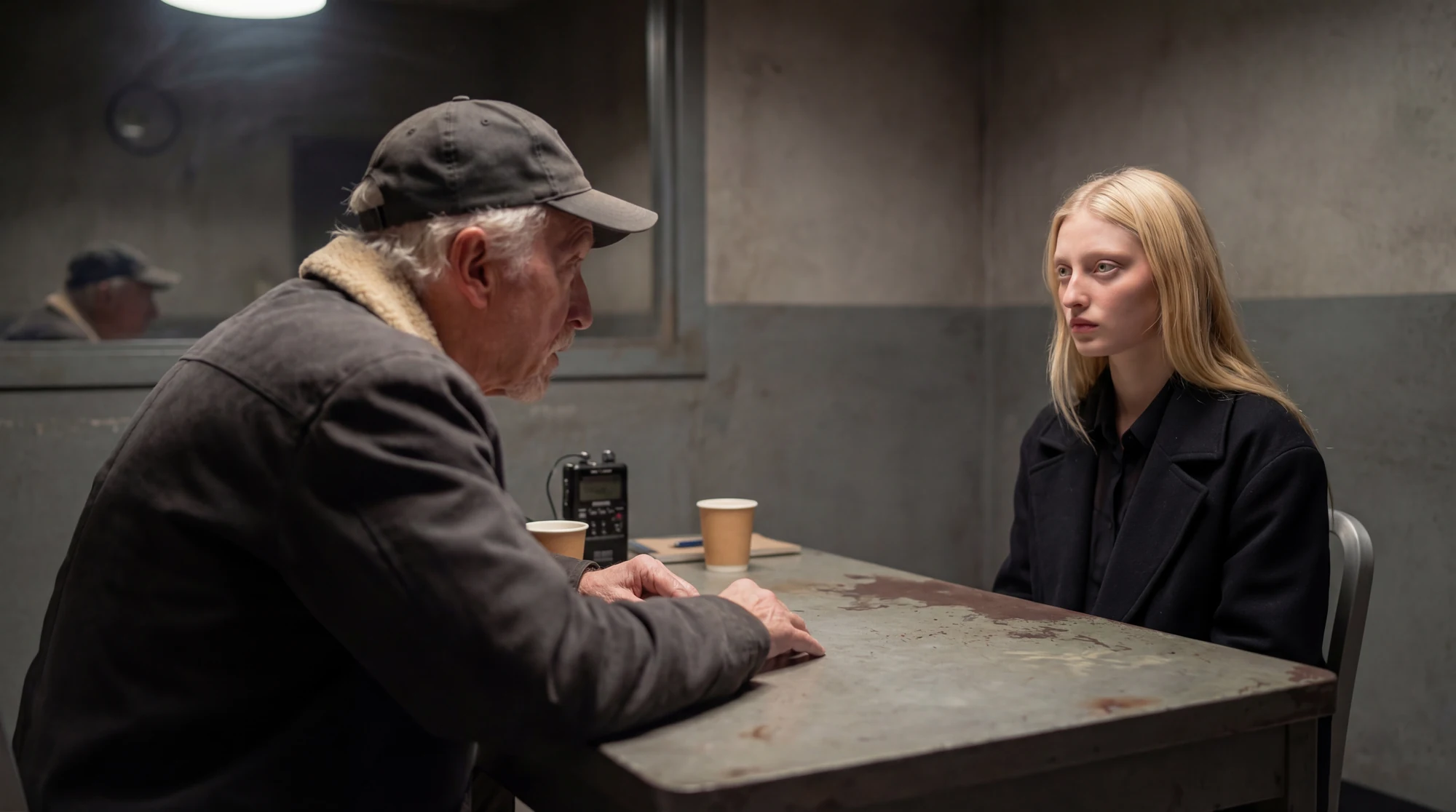 05 / Two accounts of the same threat
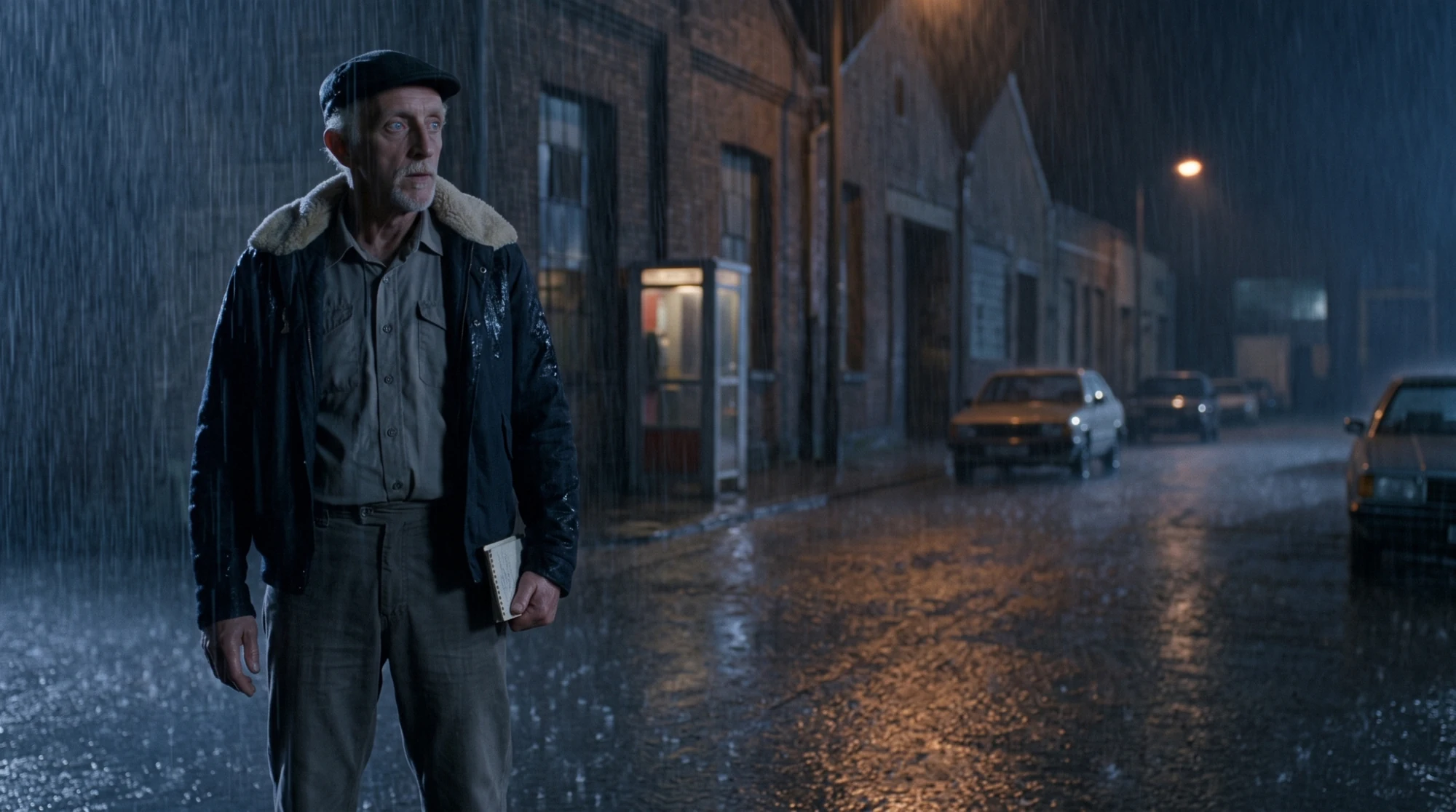 06 / Night visit · return to the scene
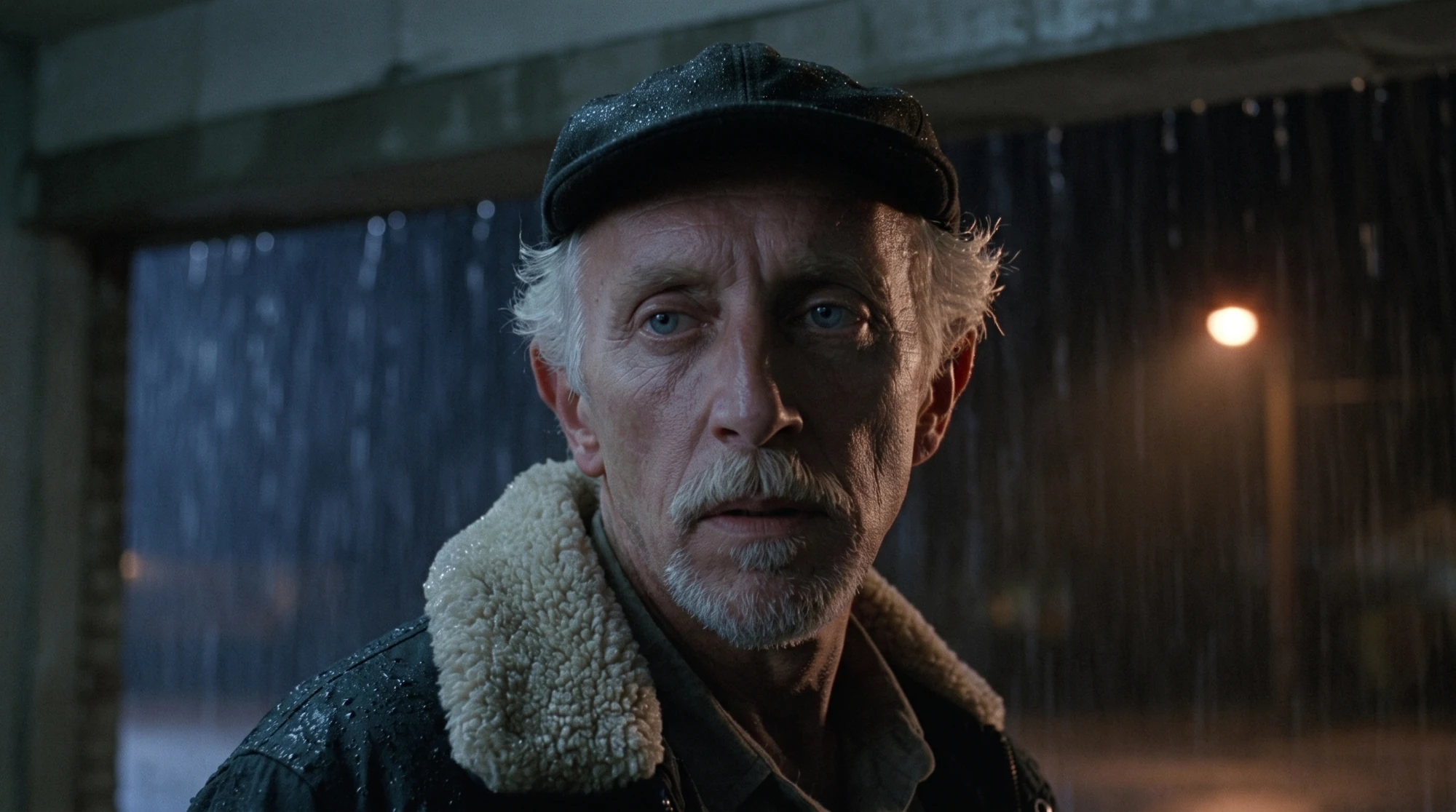 07 / A pause · listening beyond the rain
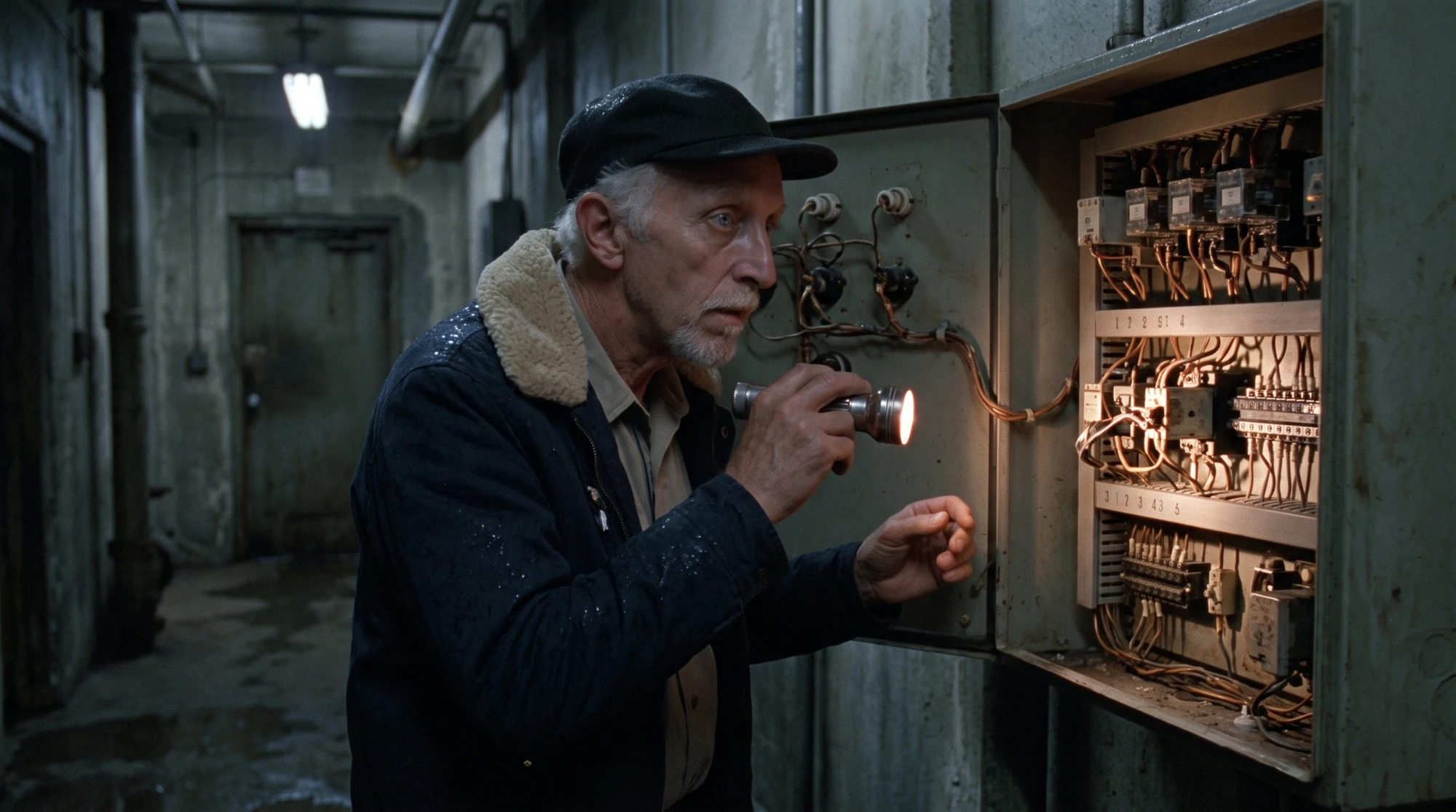 08 / Connections and traces · inspecting the installation
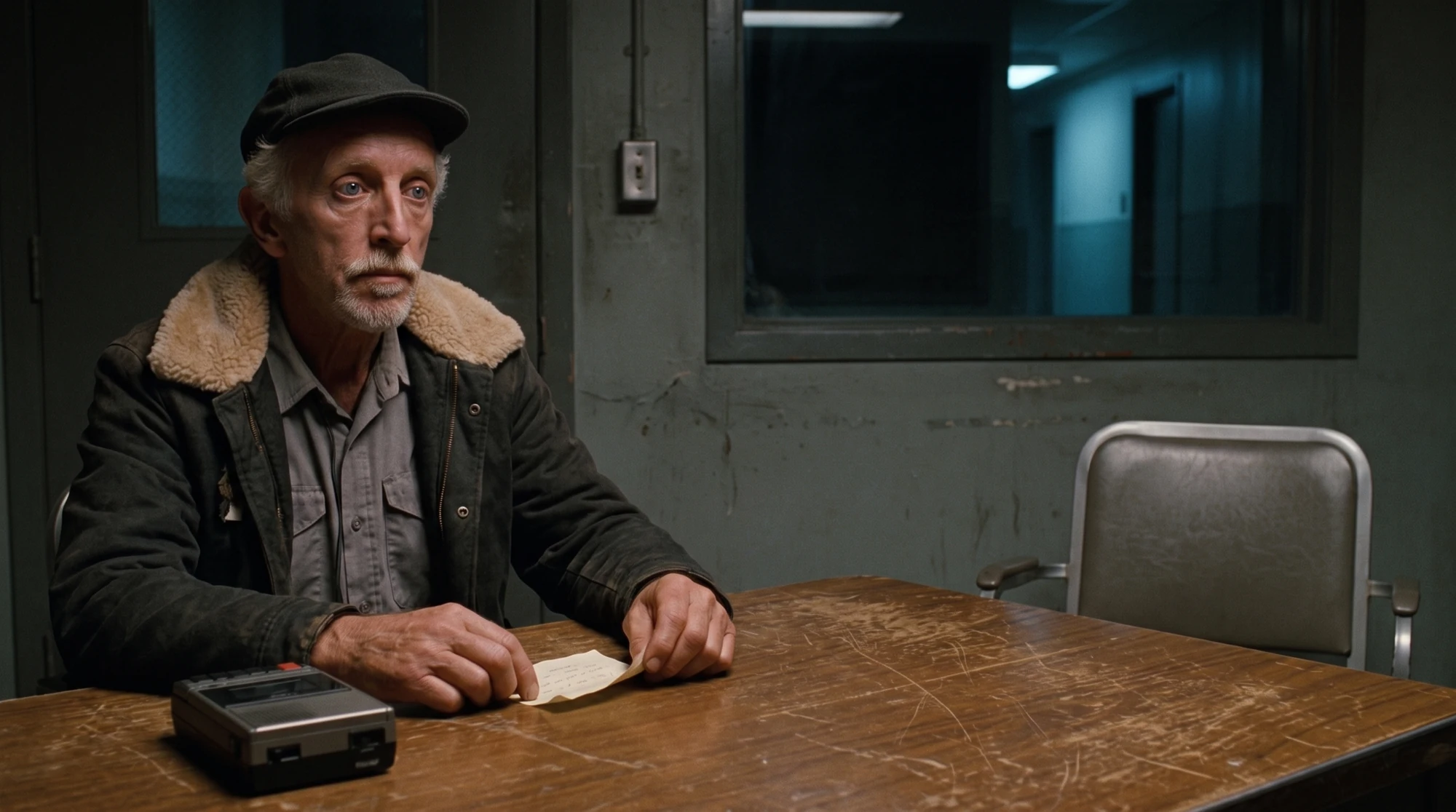 09 / Notebook and recorder · keeping the account
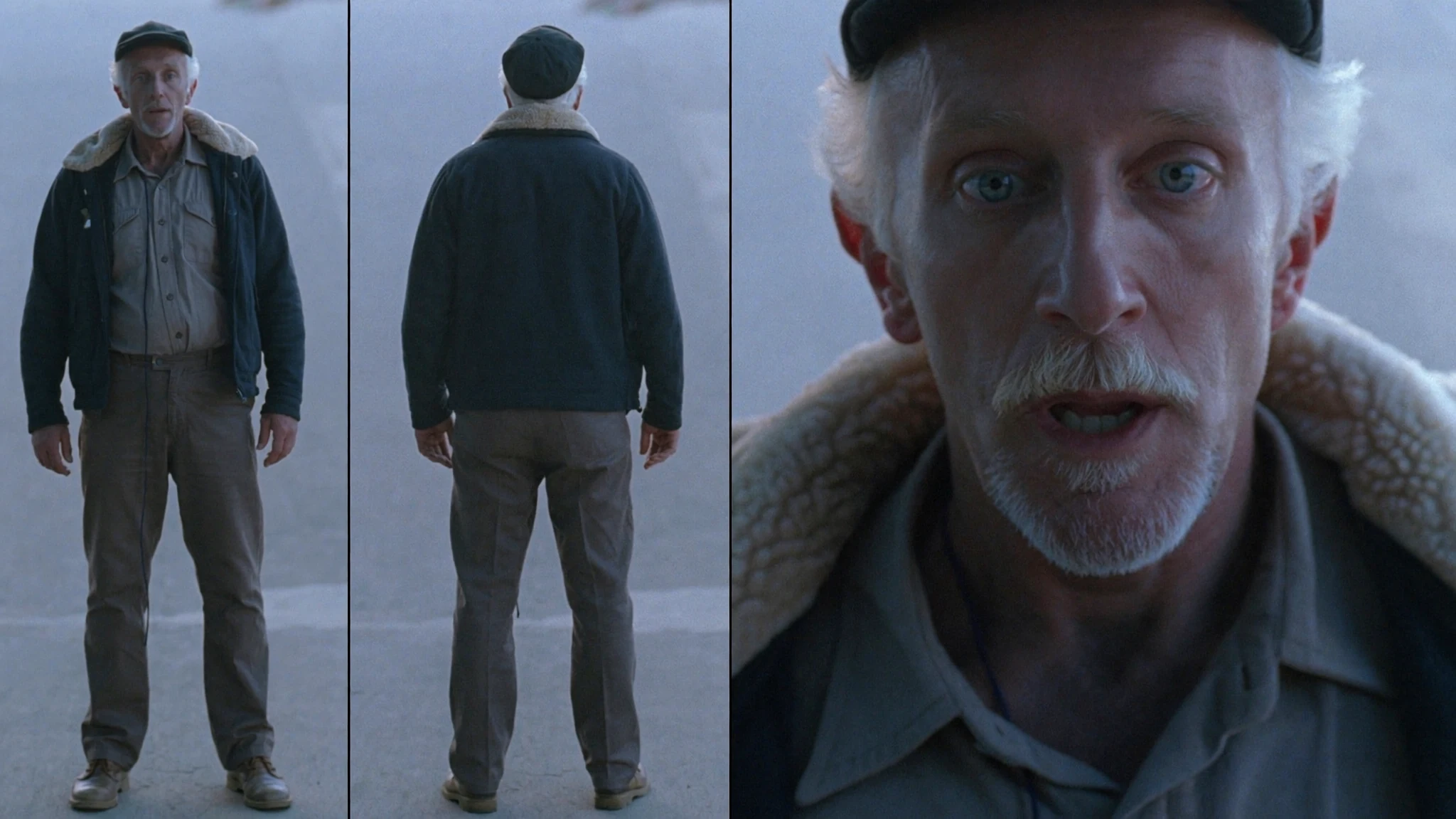 10 / Continuity reference · silhouette, back and face
A selection of studio works in which the character comes to life.

A human subject is abducted and used as a neural interface in an extraterrestrial experiment. Her consciousness is pushed into an alternate reality inhabited by unknown entities while her perceptions, emotions and memories are recorded and extracted. But with each immersion, something appears to return with her.
LÉNA · WHAT SHE LIVED
Léna was abducted by the technician with green gloves. She is not the captive whose experience is depicted in the film SILHOUETTE_000: two women, two distinct stories, one abductor. Mercer questions Léna about her own experience. Her fear is immediate; his demand for proof takes time.
VAEL KORIN · WHAT HE EXTRACTS
The technician with green gloves controls the conditions of immersion and collects its traces. What he treats as a log was lived by someone. Mercer has no established direct relationship with Vael: he encounters him through Léna’s account, and refuses the explanation attached to it.
JONAS MERCER · WHAT HE CAN ESTABLISH
He stands on the human side of the case, among photographs, recordings and surveillance images. He is neither an accomplice nor an initiate. He believes there is a threat. He believes there must be people behind it. The second belief may prevent him from understanding the first.
THE POINT OF CONTACT
Léna speaks about her abduction. Vael operates the extraction apparatus. Mercer searches for evidence. All three confront traces that exceed their understanding. His interrogation and the night investigations extend the world of SILHOUETTE_000 without settling its mystery: if the traces exceed the human explanation, will Mercer be able to recognise it?
Persistent characters, films, brand worlds. Let’s imagine the next creation.
Let’s talk about your project ↗